There's a certain mythology around Beyond The Valley.
Every year, by December, Instagram and TikTok fill with neon-soaked clips of sunsets, dust-choked dance floors, and festival kids flinging themselves into end-of-year chaos like it's a rite of passage.
In Australia, Beyond The Valley has long been framed as the ultimate pilgrimage: bush doof meets pop spectacle meets a spiritual reset delivered with equal parts sweat, lasers, and doof sticks.
For anyone on the outside, it feels impossible not to have missed a cultural moment before you even set foot on the grounds of the Victorian festival.
The highlight reels, the memes, the stories of friends who 'had the time of their lives' – all of it sets a tone that is part aspiration, part intimidation. It's almost performative, a cultural soundtrack of what it means to exist at the edge of summer in Australia.
I'd never been to Beyond The Valley before 2025, which now feels somewhat suspicious given all the stories, clips, and almost mythic descriptions I had absorbed over the years.
I came with curiosity rather than nostalgia. No 'it used to be better' lens. No rose-coloured memories. Just vibes, expectations, and a very real question: what is Beyond The Valley now? The answer, it turns out, is complicated, loud, and occasionally brilliant.
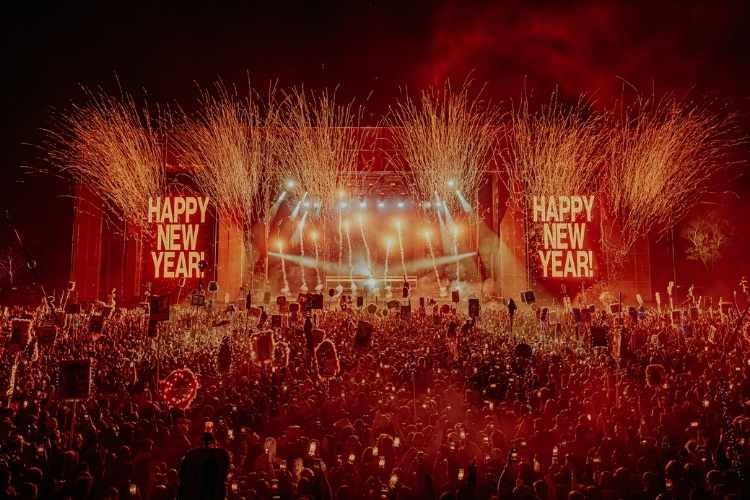
Image supplied
Let's get one thing straight. Beyond The Valley was never underground. Not structurally, not financially, not culturally. It didn't grow out of illegal bush parties or DIY sound systems patched together by mates who knew a guy with speakers.
From the start, Beyond The Valley was designed to scale, to sell out, and to sit comfortably between boutique cool and mainstream reach. What it did offer, especially in earlier years, was intimacy. Smaller crowds, fewer phones, less performance, more presence.
That illusion has thinned. What replaced it is something bigger, shinier, and far less forgiving. Whether that's progress or loss depends on what you came looking for. For a first-timer like me, it was both exhilarating and slightly alienating.
There's something disorienting about being part of a crowd that knows the rhythms, the shortcuts, the unspoken cues, while you are still learning where to stand, when to move, and which stages are worth sprinting toward.
Beyond the curated clips and the Instagram highlights, there's also a social contract you don't see online. Who talks to whom, how groups flow across the festival, the secret paths to a quieter shade or an overlooked stage – all of it happens off-screen.
The cameras capture euphoria, but not the navigation, the negotiation, the minor triumphs of making a weekend feel yours. Experiencing that as a first-timer meant every decision, every sprint between stages, every unexpected performance felt like a small adventure.
Unlike social media, there were no filters. You saw what everyone else saw: the sunburn, the sweat, the exhaustion, the joy, the occasional despair.
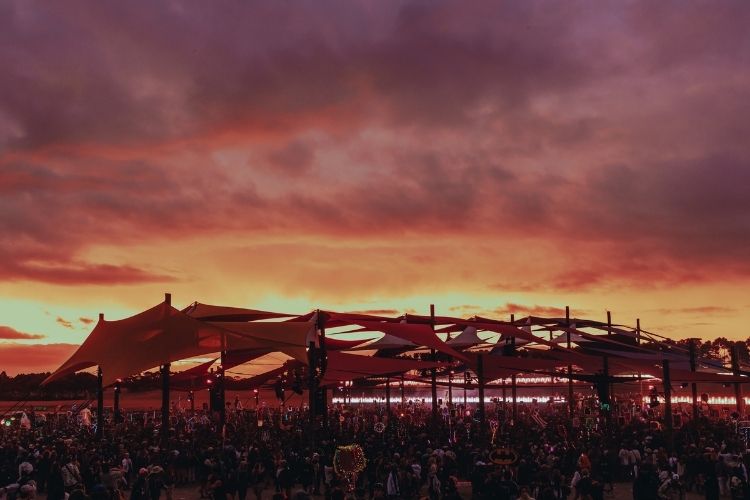
Image supplied
Day one (28 December) arrived hot and hostile, with the kind of summer heat that feels personal, like the sun had a vendetta against me. I did a record-speed transformation from regular human to festival goblin and headed straight for the Dance Dome, instinctively gravitating toward the one place that still promised something close to emotional truth.
If Beyond The Valley has a soul, it lives there, under that dome, where Melbourne's underground electronic scene was stretching out and reminding everyone why it punches above its weight.
The first DJ I caught in the Dance Dome was Mon Franco. Her groove-first set felt like a handshake rather than a declaration – calm, confident, patient, trusting the crowd to meet her halfway. That kind of restraint felt refreshing at a festival that often rewards maximalism over patience.
Later, Haus of Ralph back-to-back with House Mum took over, a pairing that didn't just work, it communicated. Their set felt like a genuine conversation rather than a flex. House Mum anchored the room with strong, floor-focused grooves, while Haus of Ralph nudged the edges, injecting bounce, curiosity, and just enough chaos to keep things playful.
No ego, no theatrics. Just DJs reading the room and respecting it. Haus of Ralph was a personal highlight for me, though I admit my bias – it was just good to see a friend doing what they do best. This is Melbourne's queer dance culture at its finest, a scene that thrives on both community and audacious artistry.
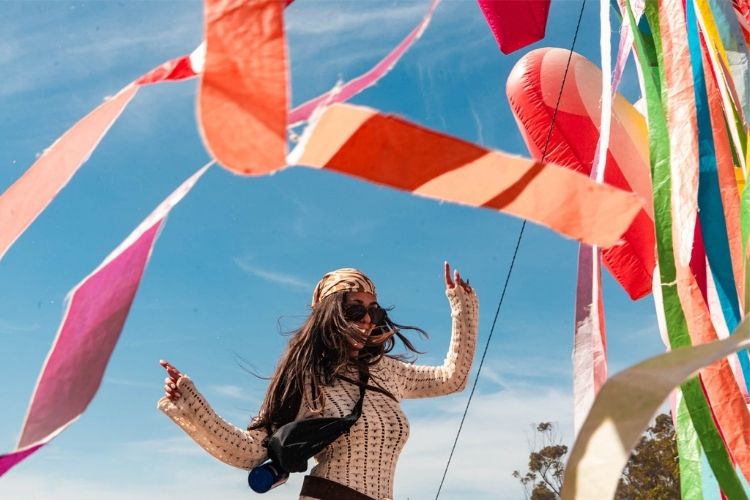
Image supplied
Afrodisiac back-to-back Baby G carried that energy forward, rhythm-heavy and buoyant, before Kilimanjaro shifted the temperature entirely. His set felt global without being derivative, blending Afro, amapiano, and house into something muscular and percussive.
This was the moment the Dance Dome stopped being a place people drifted through and became somewhere they committed to. Phones went down. Bodies locked in. The crowd, previously scattered, unified in a hypnotic groove that reminded me why festival devotion exists in the first place.
Bullet Tooth kept momentum ticking with a solid, unfussy set before Not Without Friends stepped in as one of the day's quiet standouts. Their performance leaned into connection rather than dominance, blending electronic and indie sensibilities into something warm and communal.
In a festival economy that often prioritises spectacle, it felt grounding. People danced in small clusters, cheering for each other as much as the music. There was no posturing, just shared enthusiasm.
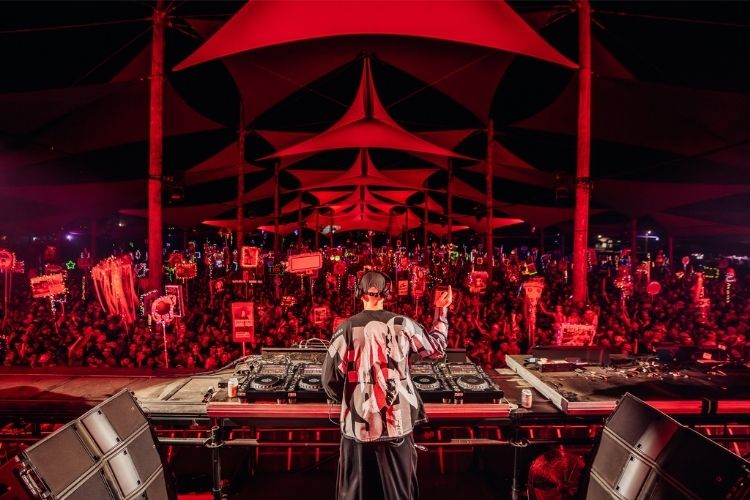
Ollie Lishman - image supplied
Ollie Lishman closed night one in the Dance Dome with precision. His blend of trance, house, and techno pushed the room toward peak-night intensity without flattening it.
Polished but loose, controlled without stiffness, it was the kind of closer that sends you back to camp wrung out and satisfied. Watching him, it was clear this was the kind of performance that rewarded attention to detail, even amidst chaos.
Day two (29 December) arrived hotter, louder, and less forgiving. Beyond The Valley's notorious summer sun was fully in effect, reflecting off metallic festival accessories, sweaty bodies, and the occasional inflatable monstrosity.
Sex Mask kicked things off shirtless, beer in hand, fully committing to the bit. The crowd was small but fiercely present, the kind of early slot where everyone feels like they've stumbled onto something semi-secret.
It was sweaty, confident, and perfectly pitched. Watching him, I was struck by how much personality can shape a performance before the first beat drops. Egoism and 2 CHARM followed, sharp and accessible, keeping energy levels buoyant without pushing everyone over the edge too early.
Josh Baker then delivered a groove-heavy set that snuck up on you, the sort of music that steals time silently. I looked at my phone. An hour had vanished while my feet refused to stop.
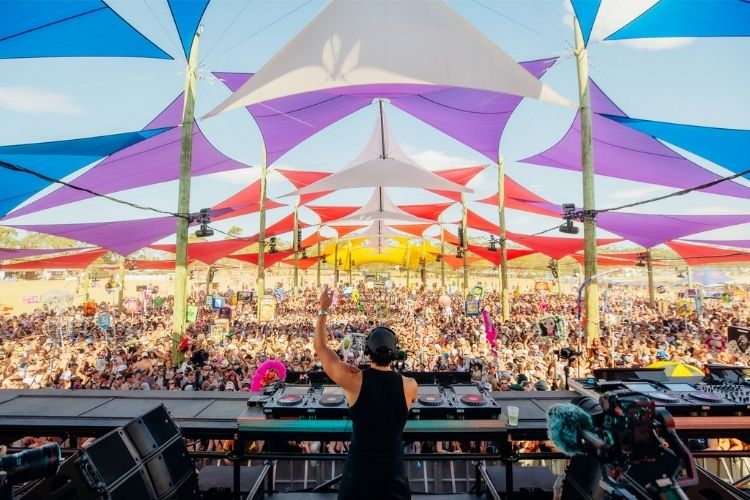
Josh Baker - image supplied
Prospa cracked the afternoon wide open. Big, euphoric, arms-in-the-air energy designed for a sun-baked crowd desperate for release. It worked, maybe too well. Sweat, laughter, and collective screaming made the air dense, almost tangible.
I sprinted across the site for JoJo, which ended up being one of the most joyful moments of the weekend. No irony, no reinvention, just thousands of people screaming 'Leave (Get Out)' like heartbreak was still new. It was cathartic, communal, and felt almost subversive in its simplicity.
Back to the Dance Dome for Kettama, relentless and rolling, before a sharp pivot to the Village Stage for Addison Rae. Her set was fun, chaotic, camp, and genuinely more enjoyable live than I expected.
It was her first festival performance, yet she commanded the stage with ease, moving through tracks like 'Fame Is a Gun' with its extended Arca-esque outro, the playful nostalgia of 'I Got It Bad', Charli XCX's 'Von Dutch', 'Aquamarine', and closing bangers like 'Money Is Everything' and 'Diet Pepsi'.
While she's not my personal pop diva, I see why everyone is obsessed – she has that effortless pop star essence that makes a stage feel alive. Watching someone fully commit to their moment without irony or apology is disarming in the best way, and in a festival that can sometimes feel transactional, it felt like pure, unfiltered joy.
The night closed with Clouds and DJ HEARTSTRING, delivering an euphoric, emotional comedown that still hit hard. Trance-leaning, sentimental, slightly feral in the best way. Day two felt like controlled whiplash. No regrets. Very sore legs. Emotionally full.
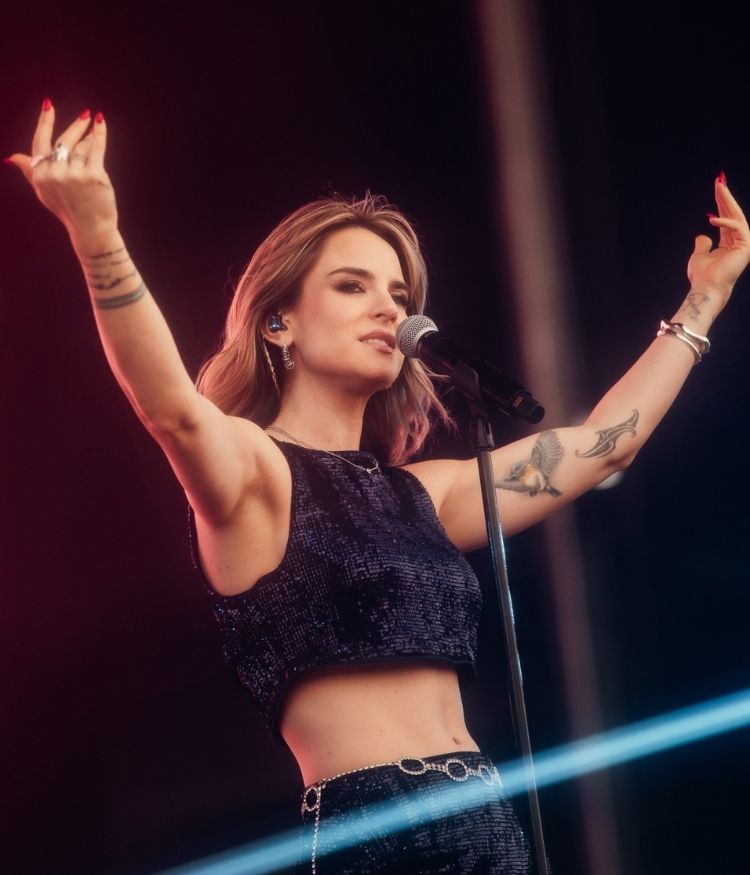
JoJo - image supplied
By day three (30 December), my body had staged a formal protest. I didn't emerge until 6pm, which I framed as growth but was really survival. Adding insult to injury, the weather had turned cold and windy, the kind of chill that seeps into your bones and makes you question every outfit choice you've ever made.
Settling into 49th & Main felt like a gentle re-entry into humanity before I parked myself at Dr Dan, dancing through sunset and straight into Ben Böhmer. His set was cinematic, expansive, and emotional without tipping into melodrama. Music like this makes you stare into the middle distance, thinking about people you haven't texted back or lives you almost lived.
As night deepened, the Dance Dome became a refuge. Patrick Mason was magnetic, unhinged, impossible to ignore. He whipped the crowd into pure chaos, the energy practically vibrating through every wall and tent.
Then I Hate Models arrived, detonating whatever remained of reality. His opening, a haunting, church-like intro that suddenly morphed into 'Who Let The Dogs Out', was unholy, deranged, and utterly unforgettable.
Every drop, every sudden shift, felt like a deliberate assault on expectations, and the crowd responded in kind – screaming, jumping, surrendering entirely. It was a worshipful highlight of the day, possibly the weekend, a performance that left you exhilarated, disoriented, and oddly grateful for the madness.
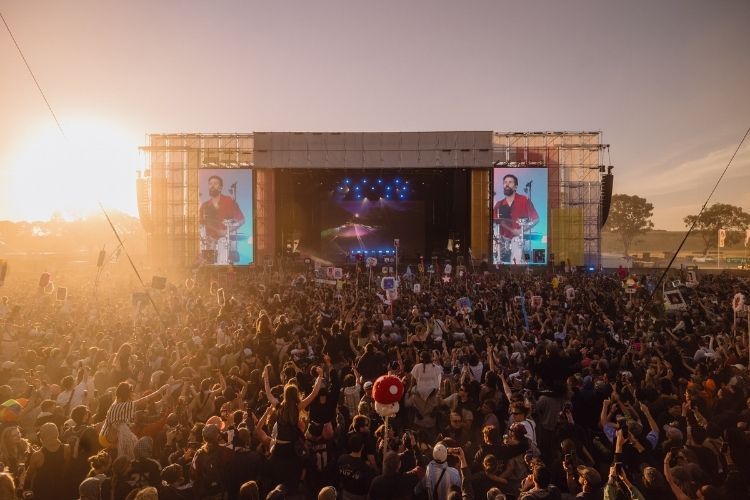
Image supplied
Day four (31 December) arrived heavy with end-of-festival tenderness. Tina Disco opening the Dance Dome was unreal, a grounding reminder that local DJs can still dominate in a commercially-scaled festival framework.
A secret Stüm set followed, fleeting and intimate, making the scale of the festival briefly irrelevant. Kaiit shifted the energy entirely, soft but powerful. Julia Wolf, performing in Australia for the first time, dedicated a song to Megan Fox, played an unreleased original, then transitioned seamlessly into 'Sunshine State', effortless and stylish.
Oren Foot back-to-back Airwolf Paradise lifted the crowd once more before Dr Dan returned for a feral secret set. By then, my legs were decorative rather than functional.
The Temper Trap played every song I've ever loved, no deep cuts, just hits. Kid Cudi followed, personally, emotionally significant to me, and Dom Dolla counted us into the new year with fire, lasers, and full spectacle at 11:59pm. I ended my night back in the Dance Dome with Simone, then Swim, a perfect farewell.
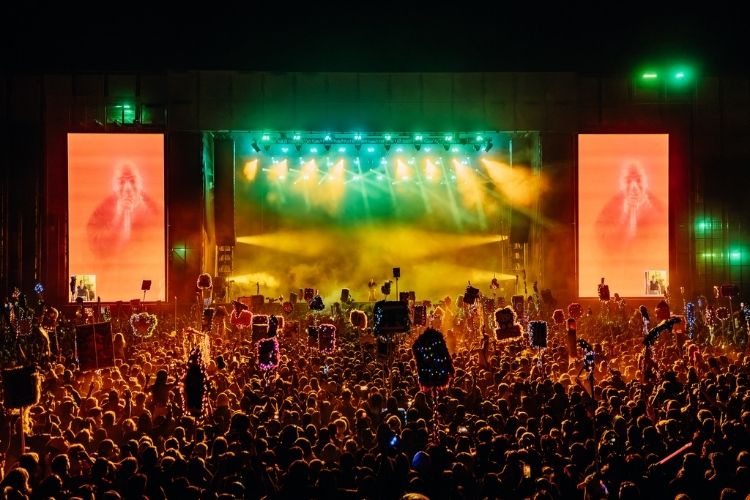
Kid Cudi - image supplied
Musically, Beyond The Valley delivered. Culturally, it left me uneasy. The festival's social reality is far messier than the Instagram highlight reels suggest. Rubbish piled high, tents and chairs abandoned, trash scattered across the grounds. People disregarding each other in ways that felt shocking to witness.
There is no shared responsibility, no doof etiquette. Instead, a competitive ego has taken over: who can go hardest, take the most risks, and still claim it was iconic. For a festival built around music, community, and joy, this is an uncomfortable truth.
Beyond The Valley doesn't need to pretend it is underground. It never was, but it does need to reckon with what culture it platforms. The music deserves better. The artists deserve better. The people who just want to dance, feel something real, and get home safely deserve better.
The myth of Beyond The Valley is compelling, but the reality is messier, human, and at times unkind. Instagram clips can only show the joy. They cannot capture the sunburn, the exhaustion, the moments of discomfort, the petty theft, the spiking, the casual egotism. There's a darker subtext beneath the glitter.
This was my first Beyond The Valley. I came in without nostalgia or illusion. What I found was a festival that knows exactly what it is, and hasn't yet decided what it wants to be responsible for.
Four days. Questionable decisions. Incredible music. I survived. Barely, but I left with a richer understanding of what Australian festival culture can be at its peak – and how far it still has to go.
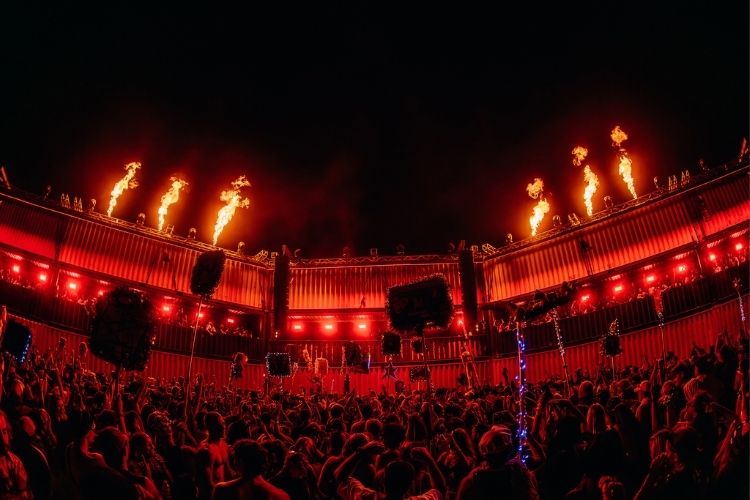
Image supplied