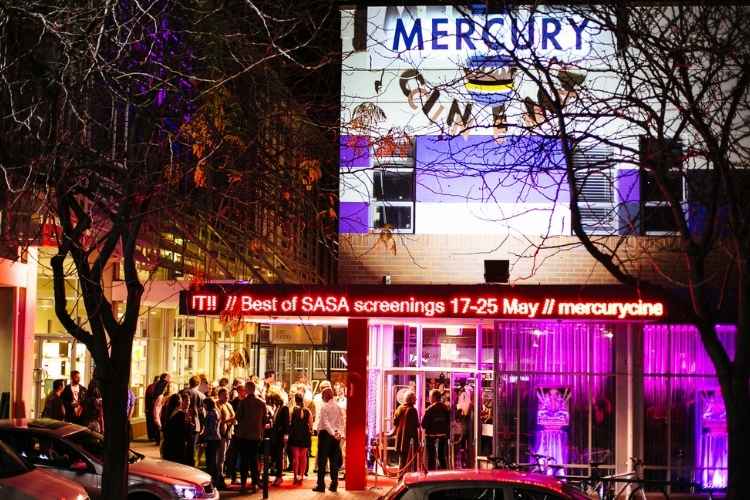
For 50 years, The Mercury has shaped how Adelaide watches films and how its filmmakers learn to make them. Founded in 1974 as a film co-op where artists pooled resources, it has outlasted almost every similar organisation in the country.
Today, it stands as Australia’s last industry development body of its kind, anchored by a cinema that treats film as culture, not content.
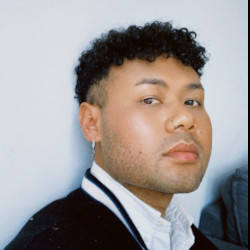
Exhibition Manager Ryder Grindle’s connection runs deep. He remembers Mercury posters in student share houses and his first screening here, Wim Wenders’ 'Wings Of Desire', in 1992. Decades later, he’s returned to the cinema that shaped his creative life.
That continuity defines The Mercury’s approach. “Filmmakers can’t work without an audience,” Grindle says. “They’re two sides of the same coin.” The cinema brings them together through Silver Screen, a curated selection of the best recent international films, and Adelaide Cinematheque, which revisits cinema’s classics with context and care.
Those connections matter. Before each Cinematheque screening, Grindle offers a short talk placing the film within cinema history. “Every film is connected to every other film,” he says. “It’s a huge cobweb.” The aim isn’t gatekeeping, but helping audiences enjoy the film more deeply.
That belief extends to The Mercury’s packed schedule of Q&As and workshops. Grindle is blunt about how misunderstood filmmaking can be: “The universe doesn’t want you to make a good film,” he says. Hearing directly from filmmakers, about what went wrong as much as what went right, builds empathy and appreciation. It also reinforces The Mercury’s role as a space for conversation, not passive consumption.
Perhaps the boldest expression of that ethos is The Mercury’s 'all you can eat' subscription model. For $25 a month, members can see every film on the calendar. It nearly broke the cinema at first, as regulars swapped full-price tickets for subscriptions, but it’s since become the backbone of the organisation. “If you came to every film,” Grindle says, “you’d be paying less than a dollar a ticket. That’s a price we haven’t seen since the Lumière brothers.”
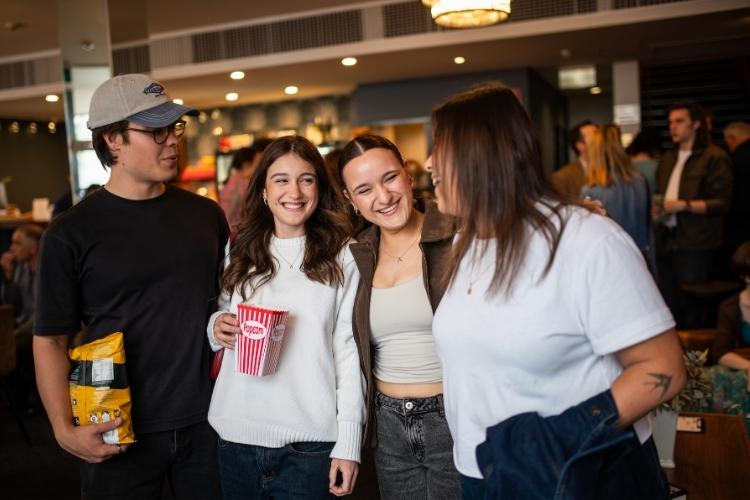
Image © Naomi Jellicoe
The model reflects the cinema’s not-for-profit roots and keeps programming responsive to its community. Grindle is constantly in the foyer after screenings, listening. Audience feedback shapes Silver Screen directly, while Cinematheque sometimes asks viewers to take a leap of faith on films they’ve never heard of. Most are grateful they did.
Local filmmaking remains non-negotiable. The Mercury funds shorts, hosts the South Australian Screen Awards, and runs Heaps Good Cinema, a regular showcase of homegrown work. Many filmmakers who debut here later return as guest programmers. Upcoming highlights include 'Lesbian Space Princess', the first feature-length animated film made in South Australia, created by Mercury alumni Emma Hough Hobbs and Leela Varghese, alongside an in-depth Q&A and a Cinematheque block curated by the duo themselves.
The lion-fronted building in Adelaide’s West End has become central to The Mercury’s identity. It’s a touchstone for filmmakers, even as broader audiences are still catching up. Inside, it offers far more than screenings, from writer’s rooms to production equipment, sound studios, and colour grading suites, all covered by the same subscription. “People come for the films,” Grindle says, “then realise maybe they could make one.”
Looking ahead, experimentation remains key. There are plans for movie book clubs, knit-along screenings, the return of cult-focused Cinema Fantastic, and the revival of Silent reMasters, a programme pairing silent films with live scores by contemporary musicians. “Seeing these old films with dynamic new music,” Grindle says, “it’s one of the things I’m most excited about.”
After five decades of reinvention, The Mercury is still doing what it’s always done best, giving cinema the time, space, and respect it deserves, and inviting everyone into the conversation.