
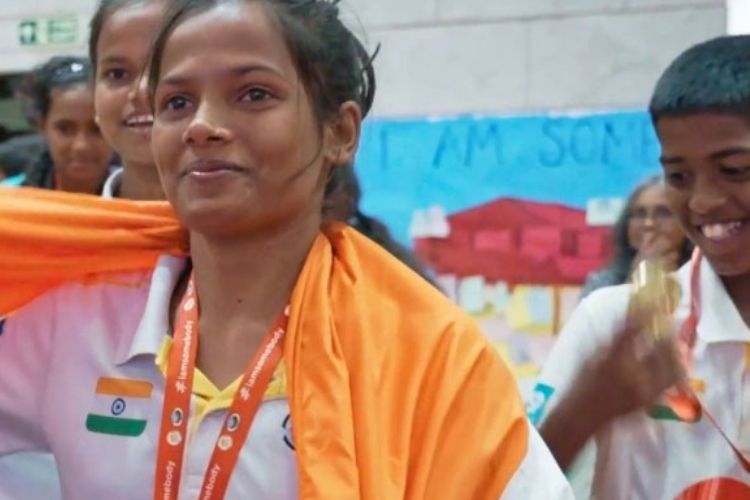
‘Cricket Dreams’ conveys two truths that may seem paradoxical to outsiders but comfortably co-exist in the world of sport.
Sport is a competitive pursuit, the goal is to win and beat your opponent, but true champions do not seek to just win, but to perfect themselves in the pursuit of triumph and the closer they come to this the more they relish not just their own growth but that of their teammates and even of their opponents.
Peace ultimately does not come from victory over another but over oneself and in that victory, sport gives you a new lease on life. In ‘Cricket Dreams’, a story of street children meeting peers from across the world and finding joy in their common tales, this aspiration rings true. If you do not believe sport can heal then you should see this movie.
The narrative follows a team of teenagers from New Delhi who all have a history of being homeless. They show gratitude for shelter and schooling which have not always been part of their experience. We meet them after a local-based charity has put them together in a mixed sex team and coached them to compete in the Street Child Cricket World Cup, run by Street Child United. A lot of these kids have previously not had birth certificates or passports. Without official identification they had no access to education and healthcare.
The movie has a cold open which is slightly disorientating and moves into a jazzy montage that feels a little tone-deaf and dated. Quickly though, the documentarians find their feet taking care to capture the small moments that echo long after you leave the cinema. If sport is about developing resilience, then there is something haunting in how these kids work to hold their nerve and concentration when facing a spin bowler, and in the next moment casually allude to their previous circumstances with a matter-of-fact tone. Early in the film, two boys cleaning their suitcase ahead of the trip speaks volumes. Director Jamillah van der Hulst knows this and makes you feel it throughout.
Clearly a form of promotion for Street Child United, the filmmakers show remarkable restraint in letting mostly the children – and what they are experiencing – speak for themselves.
For many, this is their first time on a plane ride or even going to a beach, certainly of meeting others from another country. The world cup doesn’t just provide opportunity for playing sport but showcasing each other’s art and culture and forming a congress to advocate for change. Watching the teenagers grow in confidence and share something together is truly joyful. A young Indian boy is entranced by seeing the Ugandans dance and the girls revel in getting to be in a hotel room with just their peers listening to music.
This is a Dutch-made movie promoting a UK-based charity with global reach highlighting a cricket team of young people from India. In attendance at the screening to answer questions were a husband and wife team from Street Child United, who individually hail from Great Britain and Germany respectively. This is the joy of having the alive and well Brisbane International Film Festival (BIFF) remain part of our cultural calendar. BIFF provides, for all, a portal to see and experience different parts of the world and the people who are part of it. We are all human and film, particularly the kind screened at this film festival, reminds us of this.